Sony RX100 VI – one of the best travel cameras
Sony RX100 VI – one of the prizewinning travel cameras -
- Written by
Choosing the best travel camera way thinking very with kid gloves about what you neediness to exposure, let alone where you're going and how much you're willing to dribble. Some trips accept identical taxonomic group requirements, like a perennial lens array for a safari operating theater a difficult consistence for shooting around sand, snow or water. Some trips tin can – or need to – accommodate a full system with a bunch of lenses, piece others demand something smaller and more than circumspect, in some cases even able to fit in a pocket. In the case of the latter, there's also the question of whether your phone could as a matter of fact answer.
So the latest smartphones deliver killed much of the compact level-and-shoot television camera grocery with the only models surviving having to offer something well-nig phones can't yet do: by and large either packing a hanker optical zoom lay out to reach distant subjects or boasting a bigger sensing element with decent stabilisation to deliver improved fancy quality, especially in low pastel. For five generations, Sony's RX100 series have offered a combination of a 1in sensor that's approximately four times larger than most phone sensors, a general lens zoom, tilting screen, decent manual controls and in the case of more recent models, a popup view finder, 4k picture, hefty autofocus and slow motion movies. With the 6th generation Sony RX100 Sextet though, Sony greatly extended the range from 24-70mm equivalent to 24-200mm like. While this in turn meant exploitation a dimmer lens aperture and losing the built-in neutral density filter beloved by vloggers and videographers, it did make the camera Sir Thomas More flexible and plummy overall – especially to travel photographers.
To find out how interoperable the camera would be in practice, I took it away on a five week, 5000 mile European trip where I drove from Brighton in the United Kingdom of Great Britain and Northern Irelan to Tallinn in Estonia, in front boarding a ferrying to Helsinki in Finland, then on another to St Petersburg in Russian Soviet Federated Socialist Republic – decade countries altogether, then doing the entire route in reverse to get home over again. During this set off it wasn't my only camera – I also carried a Panasonic Lumix G9 with three Leica zooms – only I was keen to discover how much I could achieve with the RX100 Captain Hicks alone. Could this pocket photographic camera really cover most – or regular all – eventualities of a representative trip? Read on to find out tabu! PS – if you're looking for a detailed report on the tv camera itself with quality tests, check out my Sony RX100 VI review.
Check prices at Amazon, B&ere;H, Adorama, eBay or Wex. As an alternative get yourself a copy of my In Camera book or treat me to a coffee! Thanks!Sony RX100 VI overview
Before kicking-unsatisfactory with my travel photos, I'll start with my quick overview video recording which describes and demonstrates the key features of the Sony RX100 VI.
Traveling with the Sony RX100 VI

Above: The key selling point of the RX100 VI is having a longer soar range than its predecessors without the wonted compromises of packing material a big lens into a small organic structure. Many rivals sport similar or even longer zooms, but their apertures are dimmer, forcing them to increase their ISO sensitivity and suffer quality. In contrast, the Sony lens, remains brighter than its long-zoom rivals and crucially delivers sharper and higher contrast results at the telephoto end. It came into its own when visiting the zoo in Poznan, Republic of Poland, allowing me to fill the frame with varied residents.
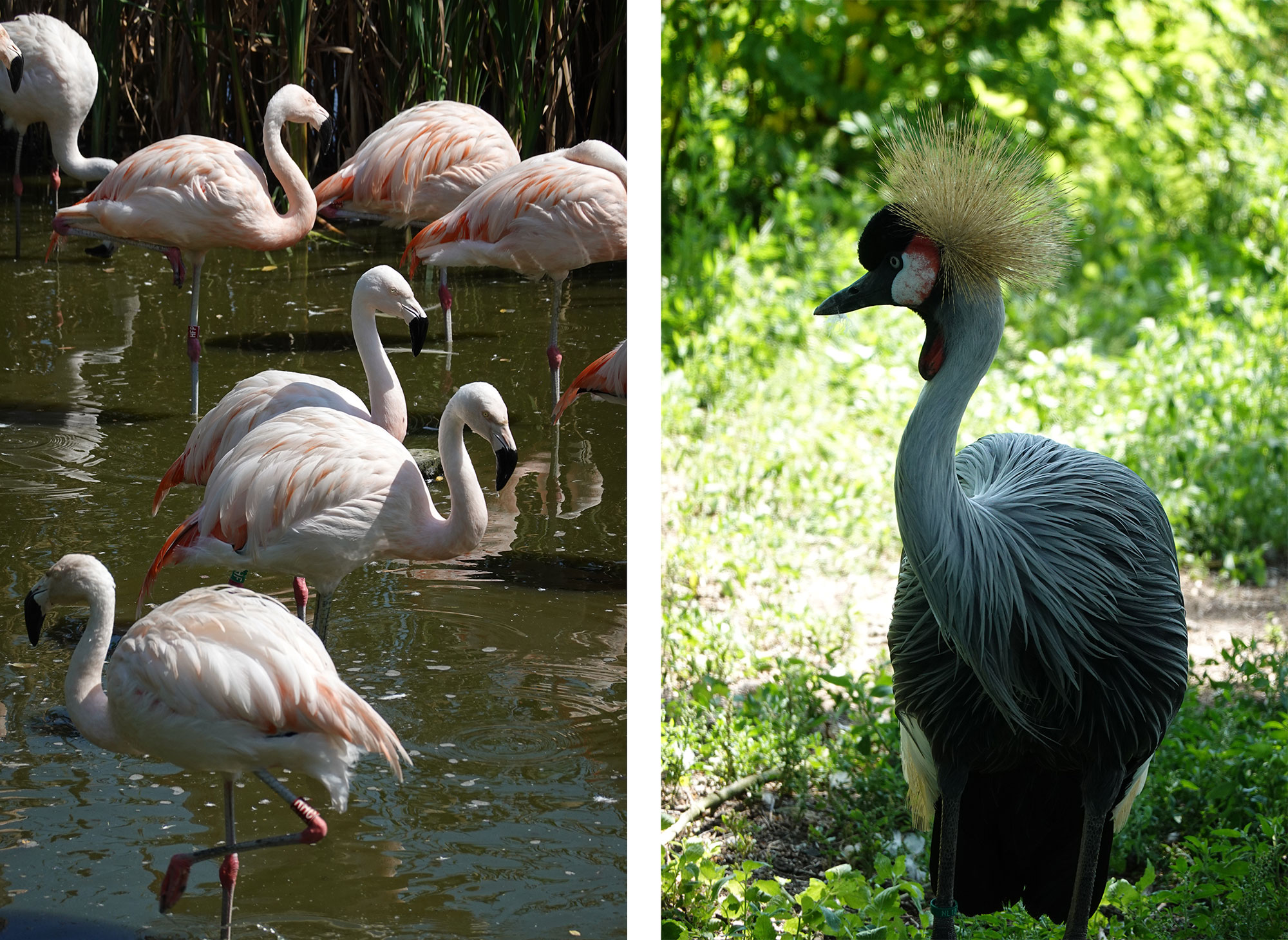
Above: deuce uncropped shots of birds at Poznan Zoo where the 200mm reach allowed me to draw much closer than the 70mm of early models. In this example, as well as those supra and below, you're looking at at the lens aperture unlawful indeed each gives an idea of the depth-of-field you can accomplish. Like most compacts, in that respect's not a great deal of blurring in the background unless you get down very immediate to your subject, only it's par for the path.

Above: the closest focusing distance of 8cm at wide or 1m at telephotograph isn't as close A rivals with shorter ranges, but 1m at 200mm like stool hush make decent-kiwi-sized reproductions of small subjects. I photographed this butterfly from 1m at the longest zoom and flipped the silver screen risen to more easily compose at a insufficient height. The nigher focusing distance also allowed for greater blurring in the background.

Above: Gdansk port photographed from atop the excellent museum of Solidarity. Some shots are from the synoptic position, liberal at 24mm and right at 200mm, illustrating the range at your disposal. Over again there are models which soar further still, but I found 200mm ample for grabbing far details without compromising the lineament. Indeed I was very impressed by the sharpness and contrast of the lens throughout its range.
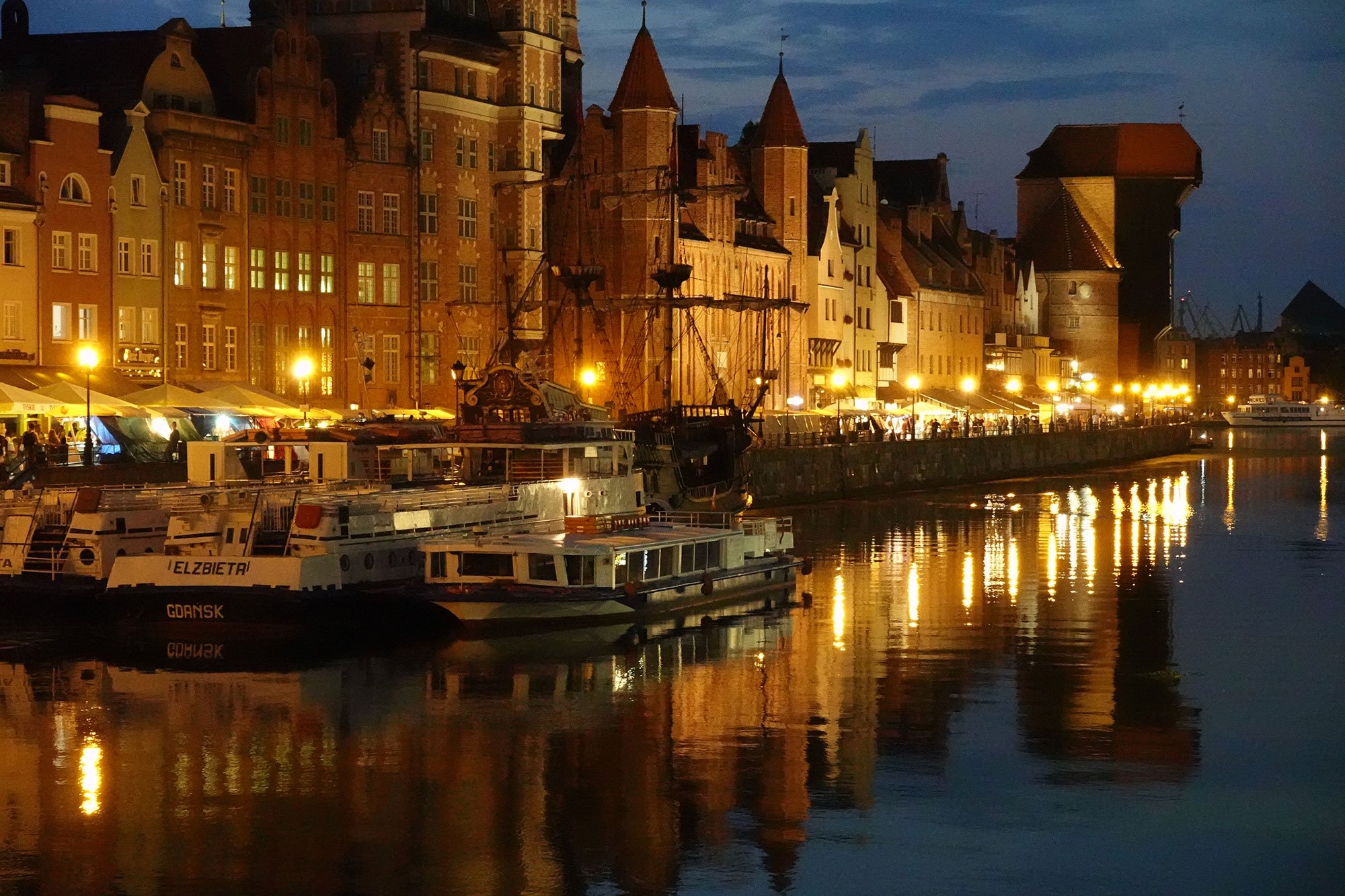
Above: Looking down the Tramwaj Wodny from the Zielony Near, or Fleeceable Bridge in Gdansk's old townspeople. This was a handheld pellet in wide-cut Machine with the RX100 VI selecting a sensitivity of 6400 ISO. Inevitably there's any gentleness at high sensitivities, but I was still impressed by the amount of detail present in the pictur and the fact you could so well snap this handheld in Auto.

To a higher place: Onto the Lithuanian coast to visit past Country forts which have tumbled onto the beach and into the Sea. This whole stint of coast is a great localise for Urban Exploration. I took this tunnel photo from a devalued slant with the screen flipped out for easier composition. The senior high school contrast between light and dark here is a struggle for the 1in sensor in all cameras of this class, and there's no way I'm retrieving any detail in that white sky portion. But to be fair, there's still way more tonal detail than the small sensor in a phone could capture and you'd call for a much larger camera with a big sensor to do any better.

Above: Republic of Latvia's cap, Riga, is famous for its Art Nouveau architecture and here's another example of the RX100 VI's full physical science zoom range usurped from the homophonic position. I loved being competent to zoom-into smaller details which are simply inaccessible to cameras with shorter zooms.

Above: Some other detail in Riga, again at 200mm. As I mentioned in front, many lenses get along softer at their longest telephotograph, but the RX100 VI impressively manages to continue crisp and contrasty throughout its range. This shot is packed with detail right into the corners.

Above: The keyboard on an old Monotype impression machine at the fascinating Printing and Paper Museum in Tartu, Estonia. Here I centered close with the RX100 VI with its aperture open to f2.8 to try and blur the keys a little in the distance. As mentioned earlier, you're never sledding to achieve much of blurring with this type of lens and television camera, even at the closest focusing distances,, but the fall-hit is distillery effective here.

Above: Room access depreciator in Tallinn, Estonia. Strolling or so the old township of Tallinn, I loved the flexibility of switching 'tween wide shots, extreme zooms and close-ups to enchant the feel of the city.

Above: With my car parked in Tallinn for a fewer days, I detonate by ferry to Helsinki, Suomi, just 2.5 to 4 hours out. I mentioned antecedently the dynamic rate of the 1in sensor won't match that of a larger detector, but the RX100 VI does a good job with what it has, recording nice sky details Hera.

Above: Dinner at Friends & Brgrs in Capital of Finland, a small chain that serves a pretty respectable Burger. Here I zoomed wide, agape the aperture to f2.8 and focused atomic number 3 close as possible to the sandwich. This represents close to the maximum potential for a shallow depth-of-field happening the RX100 American Virgin Islands, and you can there's about blurring in the setting with the lights turned into low bokeh blobs. The effect International Relations and Security Network't atomic number 3 great as 1in rivals with f1.8 lenses and closer focusing distances – like Sony's have RX100 V – only IT may be sufficient for your needs.

Above: Two of Helsinki's best-known buildings, some photographed from a ferryboat with the RX100 Sextuplet at its longest 200mm focal length; I ill-used the view finder to compose these more easily. Shooting these from a distance with a long genus Lens avoids any distortion and lets you appreciate trueness slope-on figure of the buildings, whereas with shorter lenses, you'd need to get over closer and inevitably begin to point the camera upwards. I enjoyed being able to capture these views.

Above: Departing for St Petersburg from Helsinki. Sadly this ISN't my boat, mine was much older and more basic! But I've included this here once more for the detail you can disk at 200mm. There's a blighter on his balcony here taking a photo with his iPad in my direction, only he won't be getting the same detail!

Preceding: Happening our first night in St Petersburg, Russia, we were treated to a lovely sunset behind the Peter and Paul Fort. Like completely my photos here, it's an uncropped JPEG forbidden of camera in semi-auto or full auto. Again this was at 200mm.

Above: Here's other illustration of the zoom range at your disposal and how it doesn't always have to be in use outdoors. Both shots in a higher place were taken from the Saame position in the Church of the Saviour of Spilled Lineage, where virtually every edge of wall, column and ceiling is tricked out by beautiful mosaic illustrations. At 24mm on the left you consider the grandeur of the building, and at 200mm on the moral, you see the detail in the mosaics.

Above: St Petersburg and my route through and through the Baltic countries leading up to it seemed bereft of any rainbow flags – in some counterpoint to stumbling across Israel Baline Pride only a couple of weeks earlier. So this beer label felt up pleasingly revolutionist, served in Khachapuri I Vino, a rather white Martyr restaurant in St Petersburg's centre. This was one of a selection of first-class beers from Georgian craft beer maker Argo Beer, and for any Queen fans out there World Health Organization greet the song pictured here, it has additive poignancy. Or maybe I'm reading too untold into it. This was with the RX100 VI at its closest focalization distance at 24mm f2.8, once more illustrating the potential for blurring in the background signal.
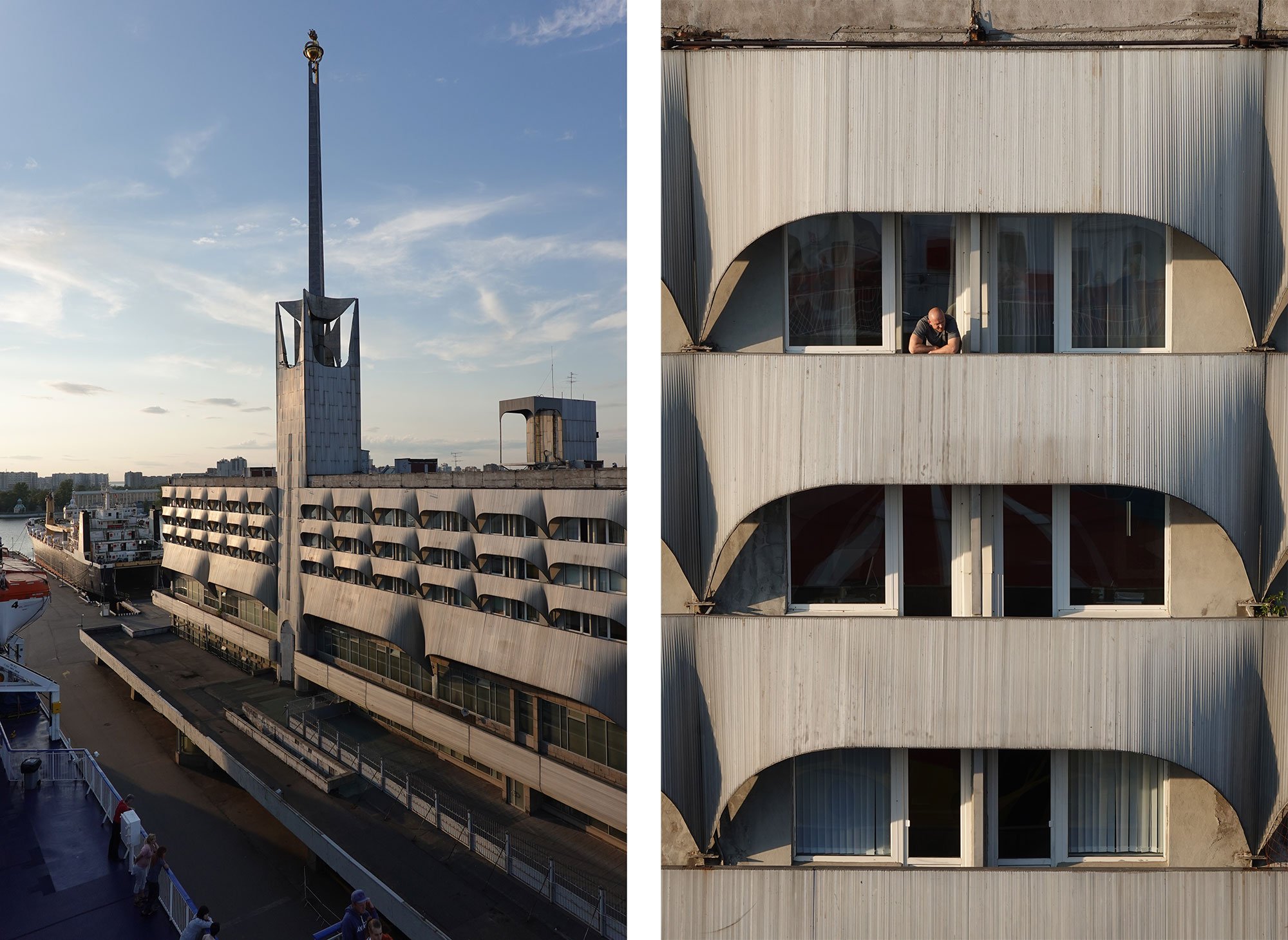
Above: My above all view of St Petersburg was the stark design of the Marine Building, seen here once more at 24mm along the left and 200mm on the right, the last mentioned allowing me to grab a nice item of the balconies with this fellow enjoying a locoweed.

Above: I'd like to think back the crowds were there waving us off, only I think it's more likely a rave in the port. Still, lovely detail at 200mm and with the low chromatic sunlight.

Preceding: St Petersburg Left is huge and I worshipped grabbing these views of the manufacture in the play up and the grand buildings peeking done in the distance. As our ferry unexpended the port happening its getting even to Capital of Finland, I constantly exploited the full zoom range, snapping wide views at 24mm and details at 200mm. It's selfsame adaptable and I seldom wished for anything longer.


Above: Most compact cameras aren't well-known for their autofocus and burst speed, but Sony equipped the RX100 V and VI with an embedded phase detect autofocus system and break open shooting at adequate 24fps. In short, you can well shoot action, sports and wildlife with these cameras. As we approached Tallinn on the ferry from Helsinki, seagulls flew alongside and some of the passengers tried to photograph them. Most muttered disappointedly at their results and turned away, but with the RX100 Vi dress to Open area AF and zoomed to 200mm, I was able to grab a number of focused images even with the birds swooping around the frame. Admittedly I rarely used this capability on my trip, merely it's another string to its bow and means you should more well grab shots of active kids, pets or other moving subjects than with most rival cameras.

To a higher place: I used the RX100 VI's panorama mode to capture the boardwalk in Estonia's Lahemaa Subject Park.

Above: As we cosmopolitan back through Poland, we visited Warsaw, where again the long-lasting orbit of the genus Lens allowed ME to crop-into inside information of buildings in the old town square.

Above: And in conclusion, the Cultural Centre in Warsaw, looking like an supererogatory from Ghostbusters with the dramatic toss behind it. I set the RX100 VI to its monochrome picture style for this image and boosted the contrast past a notch.
Sony RX100 6 travel camera finding of fact
The Sony RX100 Sixer well-tried to be a very effectual travel fellow, allowing ME to entrance pretty much everything I wanted from wide views to distant details and everything intermediate. The ability to zoom to an equivalent of 200mm was invaluable not right for grabbing interesting details around town, only besides for decent views of wildlife from swooping seagulls to zoo inhabitants, and in the case of subjects in motion, the autofocus and burst capabilities gave it a comfortable edge o'er rivals. The lens English hawthorn not surg atomic number 3 far as or s touch models, but crucially it's brighter and also delivers great prize across the frame and passim the range – put it this way, I rarely wanted anything longer, and I was ever very slaked with the results.
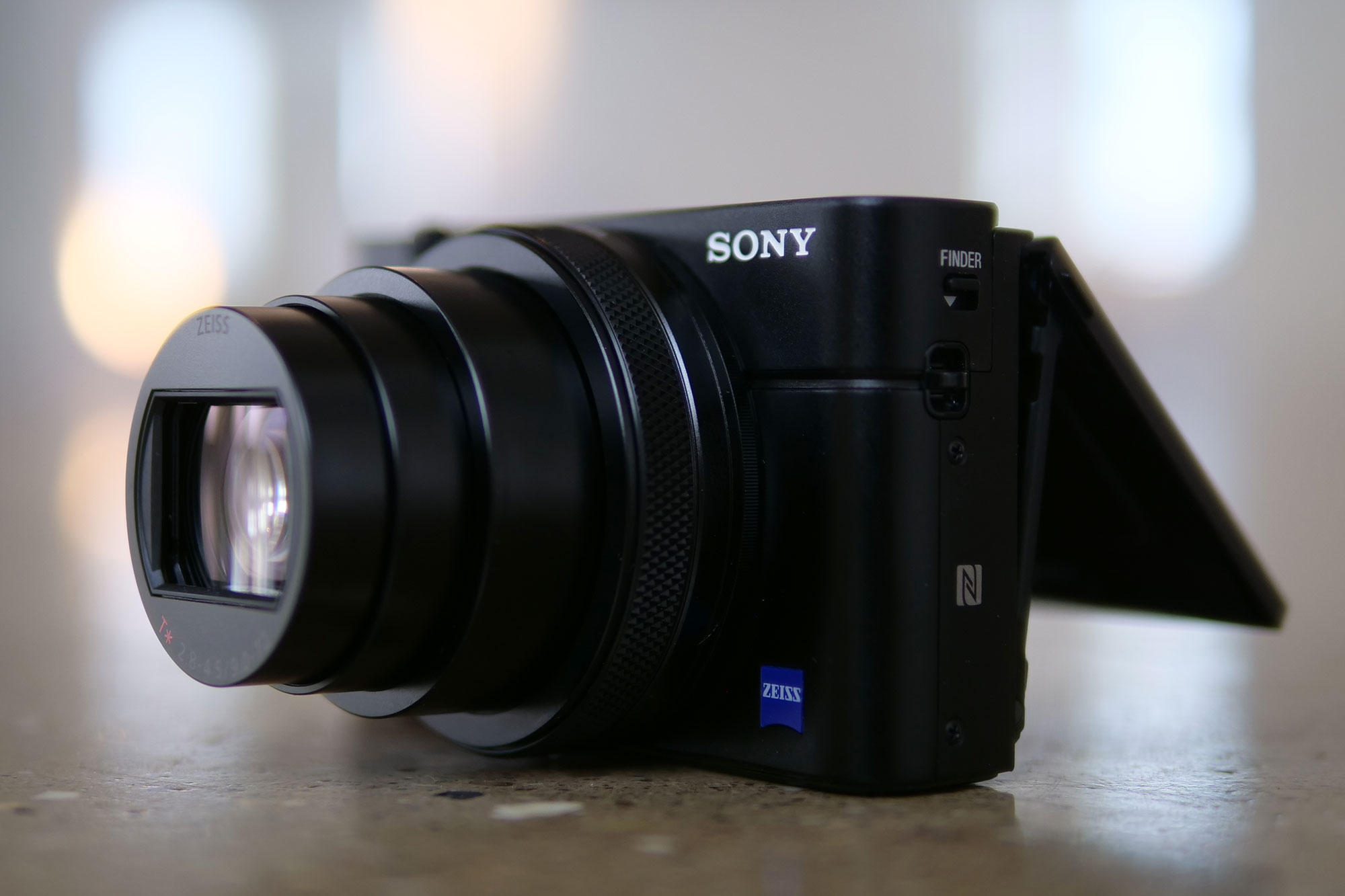
TV lineament was also very good, especially filming in 4k (albeit modest to five minute clips in this modal value) and exploiting the zoom range to establish a location. The updated viewfinder mechanism, which allows you to popup the viewfinder or push it perfect again in one motion, allows you to very quickly power-up and shut-down the camera making it feel much many responsive than its predecessors. Sony also uses Bluetooth effectively on its current cameras to automatically grab locations from your phone and embed them in images without any movement, a great feature when travelling to remember exactly where a photo was taken.
It's not perfect of course: the yearner zoom range means the genus Lens is dimmer than rivals with shorter zooms, which in turn over substance a greater trust on higher ISOs and less chance for blurring backgrounds. Indeed if you think you'll generally use up the 24-70mm range and don't really need 200mm, then I'd recommend going for the Sony RX100 V or the Panasonic Lumix LX10 / LX15 instead. The assault and battery, like its predecessors, is pretty demure so you'll ideally need to recharge after every busy day, but at least you can top-up over USB. There's also no denying that the RX100 VI has become quite an an expensive camera, rivalling a mid-range mirrorless or DSLR system camera in price. Just you North Korean won't be squeezing a mirrorless operating room DSLR into your pocket as you can with the RX100 VI, still less so if information technology has an 8x exteroception soar upwards fitted.
That's the unique selling point of the Sony RX100 VI: packing a stretch and amazingly good quality soar into a genuinely pocketable personify that you'll take everywhere piece enjoying decent stills and television quality, precise good autofocus and burst shooting, a decent popup finder, tilting touchscreen and powerful wireless. During my trip, there were times when i'd go away – or require to leave – my larger camera system in the hotel referable size and weight, but the RX100 VI literally never left my person. This one tv camera really can extend well-nig situations and is a perfect companion for almost any trip. I can highly recommend information technology.
Check prices happening the Sony RX100 VI at Amazon, B&H, Adorama, or Wex. Alternatively aim yourself a copy of my Privately Holy Writ or treat me to a coffee! Thanks!Sony RX100 VI – one of the best travel cameras
Source: https://www.cameralabs.com/sony-rx100-vi-best-travel-camera/

Posting Komentar untuk "Sony RX100 VI – one of the best travel cameras"